Creativity, grief, and the human need for presence
A recent article in The Guardian draws on a growing body of research, underscoring a truth many of us sense instinctively: creativity is not a luxury or a reward for getting life “right,” but a foundational ingredient of human wellbeing.
For those living with grief—whether fresh, complicated, or quietly enduring—New Year’s resolutions can feel especially hollow. Grief already strips life down to its essentials. It leaves little appetite for optimization culture or self-improvement rhetoric. The familiar exhortations to “fix” ourselves often ring false when what we are really doing is learning how to carry absence.
And yet, the research highlighted in The Guardian echoes what so many grievers already know intuitively. Engaging with art—singing in a choir, visiting a museum, dancing, writing, making—has measurable effects on longevity, depression, and overall health. One study cited found a 31% lower risk of mortality among those who regularly participated in the arts. Monthly cultural engagement nearly halved the risk of depression. If these outcomes were tied to a pharmaceutical drug, it would be hailed as a medical breakthrough.
Instead, arts funding continues to erode. Arts education is treated as expendable. Creativity is framed as enrichment rather than infrastructure.
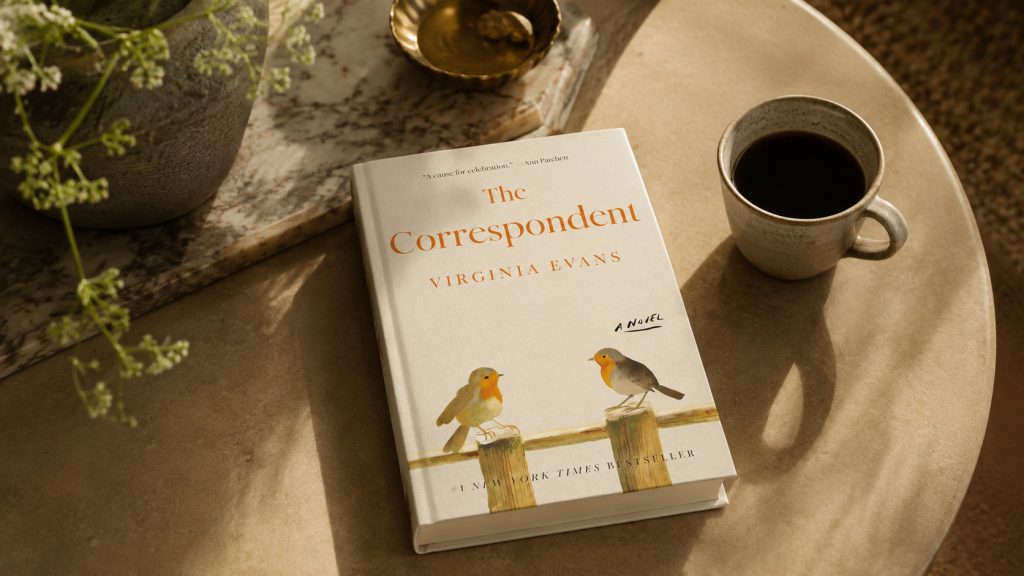
What’s particularly striking is that many of the books referenced in the article do not urge mastery or productivity. They do not ask us to monetize our creativity or optimize it for output. They invite us, instead, to attend. To notice. To slow down. To step outside the constant churn of self-monitoring and re-enter relationship—with the world, with others, with ourselves.
This matters deeply in grief.
Grief narrows time. It fractures attention. It pulls us inward in ways that can be both necessary and isolating. Creative practice—especially when shared—gently counters that pull. Joining a book group offers community without requiring explanation. Sitting with a painting allows emotion without narrative. Writing a few lines each morning gives shape to feelings that resist language. These acts do not demand cheerfulness or resolution. They simply ask for presence.
The article rightly acknowledges the limits of cultural evangelism. Art is not a cure-all. Not every person struggling with illness, poverty, or depression will find immediate solace in a museum or a dance class. Art history is filled with brilliance and suffering in equal measure. Creativity does not ennoble us by default.
But participation is different from performance.
Actively engaging in creative acts—especially those that emphasize process over product—offers something grief often erodes: agency. Choice. A sense, however small, of forward motion. Creativity reminds us that while we cannot control loss, we can still shape experience. We can still make meaning. We can still respond.
At Grief Dialogues, we see this again and again. In audiences who find themselves reflected onstage. In participants who write a memory they didn’t know they were ready to share. In conversations that unfold not because grief has been solved, but because it has been witnessed.
In a world increasingly mediated by algorithms and artificial intelligence, art remains stubbornly human. It requires embodiment. Attention. Imperfection. As Charles Darwin once reflected late in life, he regretted not making time for poetry and music each week. His words feel less like nostalgia and more like instruction.
What if this year doesn’t begin with another list of obligations or improvements, but with an invitation to listen more closely to ourselves? Instead of asking what we should do—or undo—we might begin with a gentler, more sustaining question: What can I add that helps me remain present?
Stay with discomfort.
Stay with beauty.
Stay with one another.
Creativity doesn’t ask us to move on from grief. It asks us to move with it.